
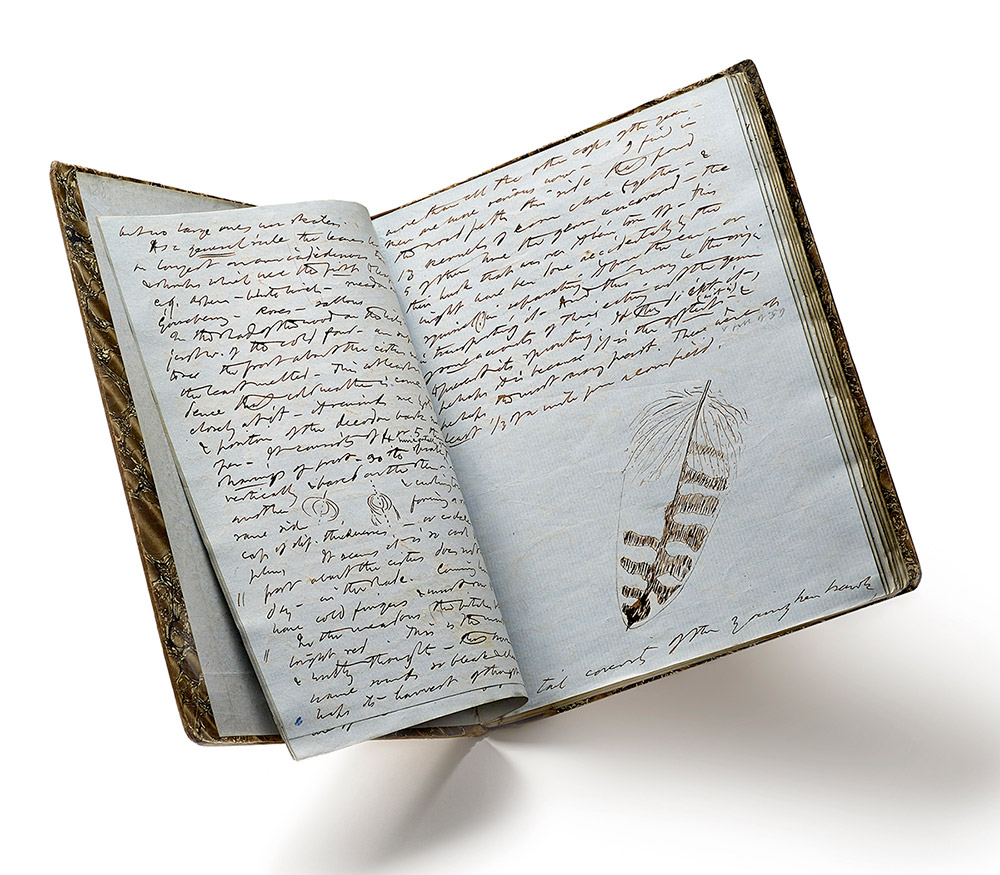
Links of the Week, vol. 20
The following are links to interesting content we’ve read recently. If you would like to recommend a piece to share with our readers (no paywalled content, please), please use the contact form on our About page.
────────────── ● ──────────────
Autumnal Tints
“A great many, who have spent their lives in cities, and have never chanced to come into the country at this season, have never seen this, the flower, or rather the ripe fruit, of the year.”
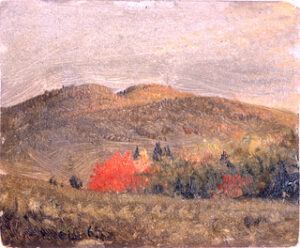
The Atlantic, October 1862 | Henry David Thoreau
────────────── ● ──────────────
Stephen King’s 20 Rules for Writers
Revision in the second draft, “one of them, anyway,” may “necessitate some big changes” says King in his 2000 memoir slash writing guide On Writing. And yet, it is an essential process, and one that “hardly ever fails.” Below, we bring you King’s top twenty rules from On Writing. About half of these relate directly to revision. The other half cover the intangibles—attitude, discipline, work habits. A number of these suggestions reliably pop up in every writer’s guide. But quite a few of them were born of Stephen King’s many decades of trial and error and—writes the Barnes & Noble book blog—“over 350 million copies” sold, “like them or loathe them.”
Open Culture
────────────── ● ──────────────
The Cornell Note Taking System
The best way to explore your current note-taking strategies and learn about the Cornell note taking system is to go through our Canvas note taking module. The module will interactively guide you through how to use Cornell Notes – click on the link here or the button below. This module is publicly available.
Cornell | The Learning Strategies Center
────────────── ● ──────────────
────────────── ● ──────────────
The Mountain Meadows Massacre: The Mass Murder Mormons Blamed On Native Americans
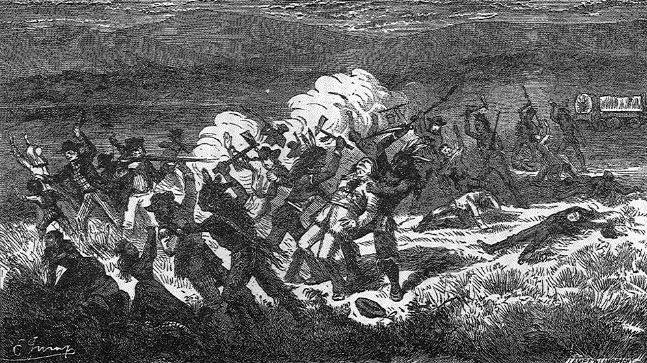
There were 120 settlers camped in southern Utah on September 7, 1857, the day the Mountain Meadows Massacre began. Most of them were en route from Arkansas to California and were assured by a friendly Mormon leader that this spot in the Mountain Meadows of Utah would be a safe space for them to rest.
But not a single one of them would make it out of that field alive. Within five days, women and children alike would be slaughtered. Only a handful had been awake when the gunfire began, but the settlers acted fast.
They arranged their wagons into a protective circle against the onslaught that would go on for five days. Their attackers appeared to be Native Americans, all with painted faces. But even amidst all of that chaos, a few of those doomed settlers got a good look at the men trying to kill them: they weren’t hostile Native Americans, they were white men.
All That’s Interesting | Leah Silverman
────────────── ● ──────────────
Bram Stoker Wrote in His Library Books
The London Library combed through its shelves to track down his marginalia.
Bram Stoker never traveled to Transylvania. But, while researching and drafting Dracula, he seems to have made frequent trips to the London Library.
There, books transported Stoker to the region in the Carpathian Mountains, and he brushed up on geography, cuisine, and superstitions. He also apparently left his mark on some of the library’s volumes.
Atlas Obscura |
Discover more from PolyArchive
Subscribe to get the latest posts sent to your email.


You must be logged in to post a comment.